Kilifi County Circular Economy Enterprises
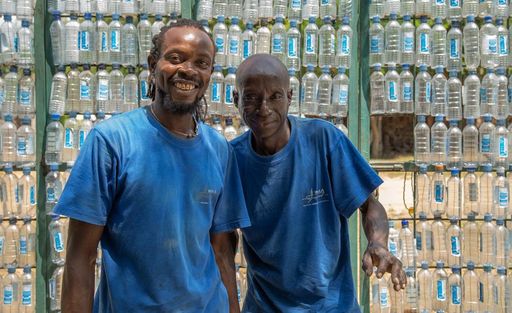
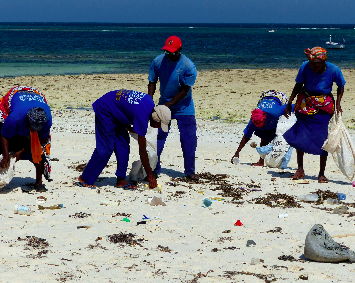
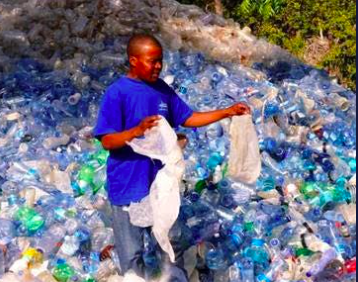
The project has created a dynamic plastic waste value chain between the local community and tourism industry. This created jobs for recyclers and part-time income for the community beach-cleaning teams, and provides an environmental service to hotels. The project now plans to expand its operations to the larger neighboring coastal towns of Malindi and Kilifi, targeting a population of more than 400,000 people along a 70 km stretch of coastline. All hard plastic waste is machine crushed at Eco-World Recycling in Watamu. The facility is operated by the project and it also acts as waste management training and education center. The main aims of this project are: 1. To further develop project waste management priorities, with a focus on prevention, reuse, recycling and up-cycling of plastic waste materials and including marine litter. 2. To further develop community based plastic recycling enterprises, employment opportunities and income benefits related to circular economy activities. 3. To replicate the project model in other coastal resort towns. 4. To strengthen and develop circular economy partnerships and collaborative processes between civil society, the government and the private sector. 5. To create public awareness of plastic waste and marine litter pollution.
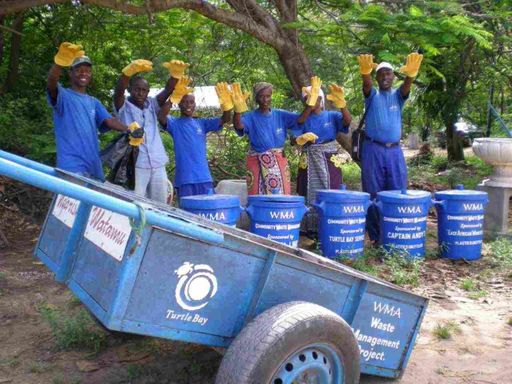
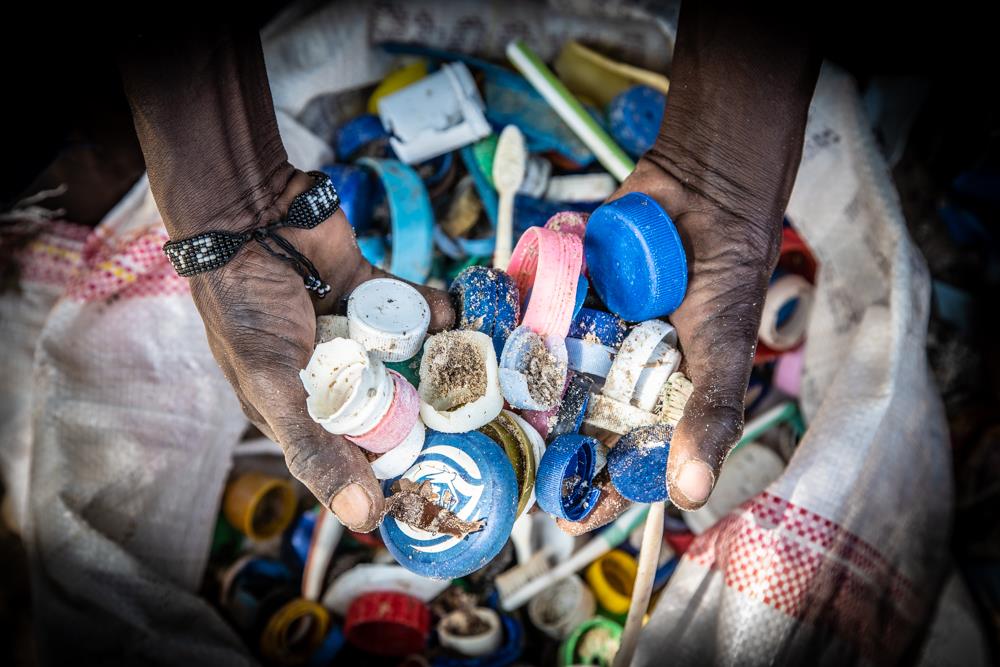
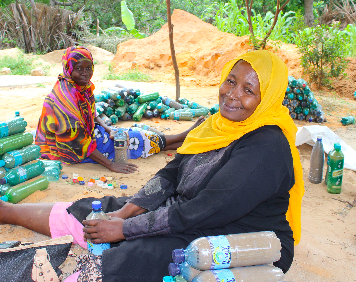
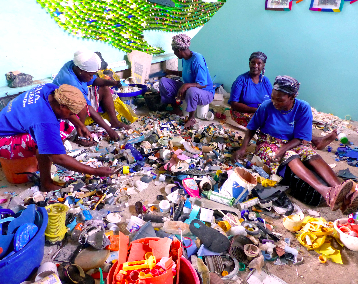
- Local community groups : These groups include women, youth groups and artisans who need to improve their livelihoods to make ends meet. Women and youth groups are among the most disadvantaged in local society with limited employment opportunities. These community members get employment or income as beach cleaners, waste pickers and recyclers. The artisans make art and curios from marine litter and sell them in local hotels and tourist outlets.
- Watamu Marine Protected Area : The MPA contains coral, sea grass and mangrove ecosystems and is famous for its beautiful white sand beaches. Marine litter has a major negative impact on the Watamu MPA and Kenya coastline. Locally, landfills are the standard method of waste disposal which can result in leakage of waste materials into the ocean. Illegal dumping and burning is also a common practice resulting in environmental pollution.
Our actions
WHAT
Actions
- Partnering with hotels to source recyclable waste and training of hotel staff on best waste management.
- Organizing plastic waste collection, storage and transport logistics within Watamu, Malindi and Kilifi
- Investing in Eco-World recycling machinery, transport systems and up-scaling and expanding operations
- Training community members on how to make up-cycled products of value
- Training community members on waste collection, separation and sorting
- Increasing advocacy efforts to improve waste management policies in the County
- Providing education and awareness on waste management best practices and showcasing circular economy opportunities.
HOW MUCH
Perception of hotels on the severity of marine litter and plastic pollution impact on marine park beaches before the start of the project
No. of kg plastic marine litter removed from marine park beaches
No. of people trained on making up-cycled products
Perception by the waste pickers of their financial status before the start of the project
No. of community waste pickers trained on waste collection, sorting and separation
Average no. of waste collection vehicle pickups per month in Watamu
Our results
WHAT
Outcomes
- Increased amount of plastic waste collected for recycling
- Creation of small business opportunities for waste pickers, artists and recyclers
- Increased income streams from the sales of up-cycled and re-cycled products
- Improved waste management practices within the tourism industry, community and business sectors in the project area
HOW MUCH
Satisfaction of waste pickers with the project
Revenue generated for Eco-World from sales of up-cycled products in USD
Satisfaction of artisans with the project
Average no. kg/ month of processed hard plastics
Our impact
WHAT
Impacts
- Improved living standards of local people working in the waste management sector
- Reduction in the impact of plastic waste pollution on marine park beaches and environment
- Enhanced corporate social responsibility status for hotels within the tourism industry
HOW MUCH
Perception by the waste pickers on the improvement of their financial situation
Perception of hotels on the reduction of marine litter and plastic pollution on the marine park beaches over the project period
No. of community up-cycling artist receiving an income from waste up-cycling project
Perception by waste pickers of the impact they have on the environment through their work
No. of waste pickers receiving an income from waste collection
Community artists declaring their financial situation has improved
Who we are
- Julie Myra Alego
Eco-World Project Coordinator
- Steve Trott
Project Manager
- Karen Njue
Eco-World Assistant Project Coordinator
Waste Recyclers
- The Blue Team
Weekly beach clean-up Watamu
- Silvia Stieger
Business Development Support